

Stay Sane, Because You’re Not Alone!

The ongoing COVID crisis has seen a spike in reported concerns around mental health, particularly within the LGBTQI community, where for many even “normal� life can be a challenge. The Star Observer spoke with two leading figures in the community about how they have dealt with the lockdowns and uncertainty, and what advice they have for anyone else who may be struggling.
Georgie Stone
Georgie Stone is a transgender activist who came to public attention when she appeared as the first ever trans character on popular Australian series, Neighbours. During her 21 years on the planet, she has definitely had some curve balls thrown her way, but lockdown was a new frontier.
“I mean, I can’t deny it has been very difficult. It’s hard not to feel devastated looking at the affect this has had on the world and our country,� says Stone.
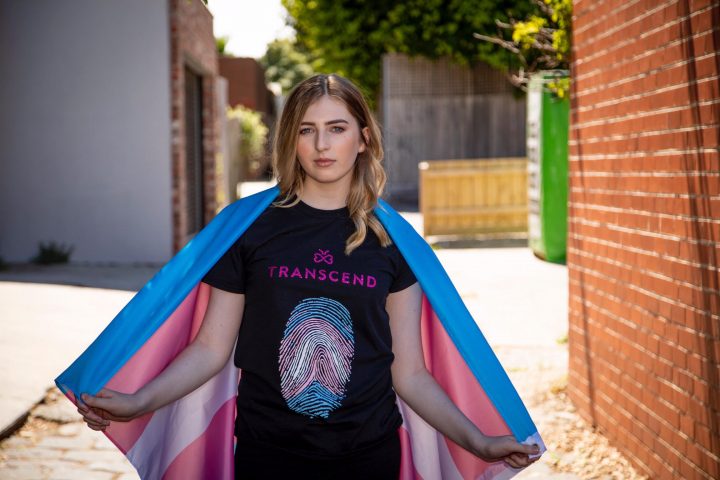
Having supportive, like-minded people around her has been key to Stone’s mental survival. She lives with her mother and brother and is very close to both. They often sit for hours after watching the news together, discussing the stories and how they are affected by them. It’s like a release valve.
“If I sit on something for too long and I don’t talk about it, I implode,â€� she says. “My advice there would be to keep those lines of communication open – with your friends, with your community online… Verbalise it, don’t keep it locked away.â€�
Stone has been an ambassador for several LGBTQI non-profits, and often has young people reach out to her directly. She helps where she can, but is mindful of her limited expertise and also looking after her own mental health.
“What I usually do when people get in touch with me is actually hand-ball them on to professionals, because I can empathise with you and give you support based on my own experience […] but what will really help is support from professionals,� says Stone. “What has been good about working with those organisations is now I know where to send people.�
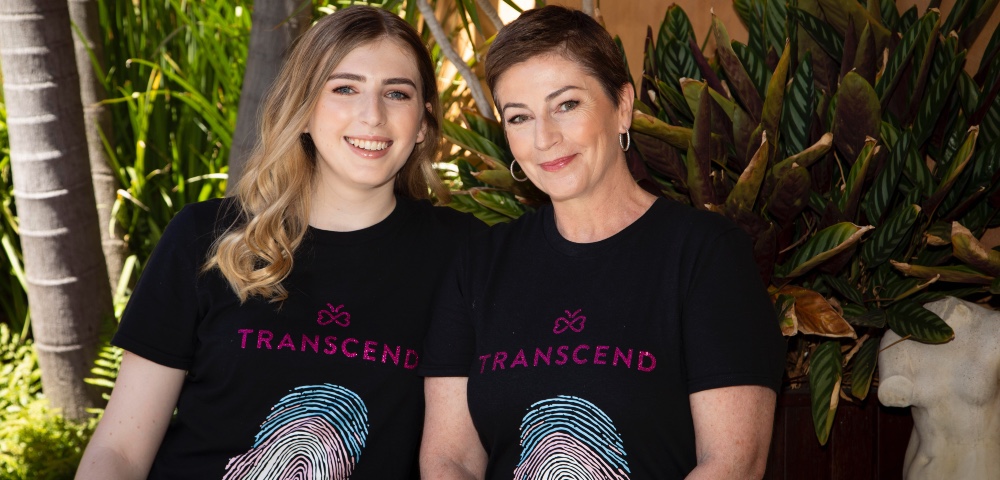
Stone’s mother Rebekah Robertson runs a support group for parents of trans and gender diverse kids, and through that group Stone has learned that, while many kids suffer under lockdown others are flourishing. The latter group includes kids who are bullied at school or just don’t fit in; their anxiety rises at the thought of lockdown ending. Stone believes we can take some of the work-arounds learned during lockdown and continue using them for these kids.
“This pandemic is horrible but in a way it has taught us that there are alternatives to things and that sometimes we’ve stumbled upon ways of doing things that actually work better than what we were doing before.�
Jordan Raskopoulos
Jordan Raskopoulos came out as transgender in her 30s. At the time, she was already a comedian with a following (and a beard), so it was a very public coming out. What helped her was being able to share her thoughts and feelings with a group of similar people, and the absence of that during lockdown is proving to be a challenge.
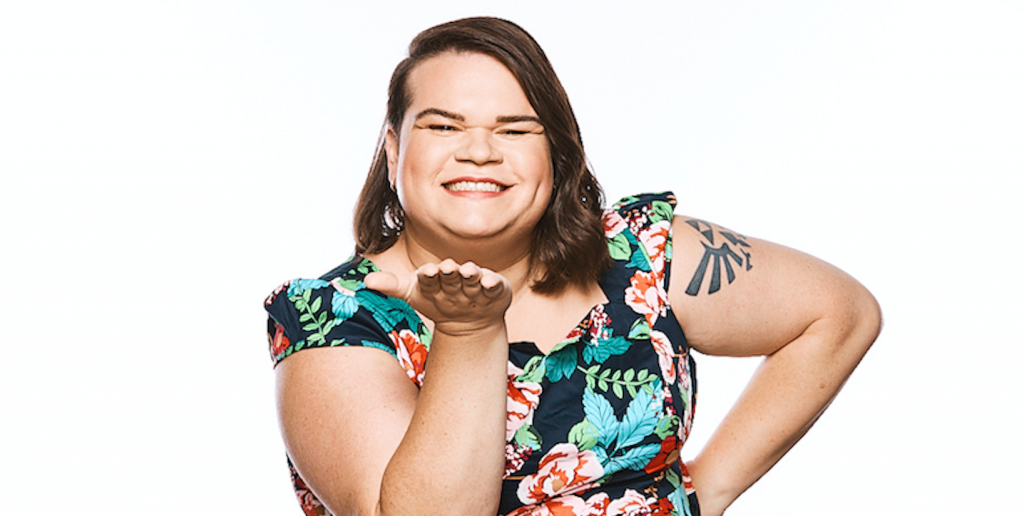
“One of the most positive things was being in a room full of other trans people and being able to say something and everyone in the room being like: ‘Oh yeah!’ I never had that before in my life,� says Raskopoulos.
“I think one of the hardest things is just losing access to queer spaces and a lot of queer people in my life. And, you know, a lot of media that we consume is really quite heteronormative and all that. And I think being in rooms of people that celebrate diverse bodies and diverse attractions and diverse sexualities and genders, and losing that from my life… those physical spaces where you aren’t just tolerated, you’re celebrated – that was a big thing.â€�
Raskopoulos really feels for young people who are struggling with identity and having to do it in isolation. Like Stone, Raskopoulos gets a lot of people directly reaching out to her and is similarly mindful of her personal and professional limitations.
“If they are reaching out with needing community or just answers to simple questions, I just direct them to digital communities, or even like the public part of my pages where we’ve got a forum dedicated to talking about that kind of stuff,� she explains. Otherwise, she refers them on to relevant organisations.
Adding to her own personal challenges, Raskopoulos is neurodiverse and has ADHD and anxiety. She agrees that the established education system doesn’t adequately serve people like her and she is usually better off teaching herself. In fact, during lockdown she has taught herself a musical instrument, a language, and animation.
That last skill has been applied practically on her Twitch platform where Raskopoulos has created a queer-positive space.
“It was a way to keep performing, keep being creative, keep engaging with people, even if it wasn’t in a physical space,� says Raskopoulos who, as a professional entertainer, lost a lot of work due to lockdowns and restriction. Twitch has provided an alternative income stream.
Going online is a way of still being able to connect and interact with people and a viable alternative for many, however for people in the LGBTQI community it can often be hostile territory.
“A lot of the digital spaces, particularly in the gaming world, are very masculine; they’re very heteronormative and very toxic in a lot of ways,� explains Raskopoulos.
She has used her new-found animation skills to deal with trolls on her platform. “There’s a power in fighting back and you know, letting someone know that what they’re doing is rubbish.�
Raskopoulos knows LGBTQI people are suffering now and has this message for them.
“It is a very normal thing for a lot of people, and you’re not alone, and even if you can’t access those people now you’ll find a way; you’ll find community and you’ll be able to share your experiences with one another.�
For 24 hour crisis support and suicide prevention call Lifeline on 13 11 14
For Australia-wide LGBTQI peer support call QLife on 1800 184 527 or .


