

The truth about Australia’s marriage equality campaign

Image: Revellers celebrate the 'yes' vote in the centre of Melbourne on 15 November, 2017. Image: file photo.
Despite their pivotal roles in Australia’s marriage equality campaign, figures such as RODNEY CROOME AM, SHELLEY ARGENT OAM, IVAN HINTON-TEOH OAM and others have been whitewashed out of the narrative by overblown egos, corporate considerations and political party spin. Two years since Australia gained marriage equality, here is the truth about the campaign—and why it matters.
By PETER FURNESS.Ìý
The passage of two years since the same-sex marriage postal survey has doneÌýlittle to diminish the bitterness and pain it inflicted.
We would do well to remember how it came about.
Considerable effort has been made to portray Australian MarriageÌýEquality (AME) and the Equality Campaign as having been strongly opposed to theÌýholding of that national vote. That is, however, anÌýoversimplification.
A plebiscite was originally a demand from the Australian Christian Lobby,Ìýproposed as a desperate, last ditch attempt to block or delay what even theyÌýcould see was becoming inevitable.
At first opposed by Malcolm Turnbull, his position changed on becoming primeÌýminister in late 2015 and, at around the same time, AME found itself being offered,Ìýand accepting, truck loads of cash to fight aÌýplebiscite campaign from theÌýmulti-millionaire Tom Snow, a frequently declared friend of the new PM.
The problem for AME chair and state MP Alex Greenwich, keen as ever to beÌýseen as the primary champion of marriage equality, was that the LGBTI communityÌýitself, for very good reasons, was unlikely toÌýsupport such a poll.
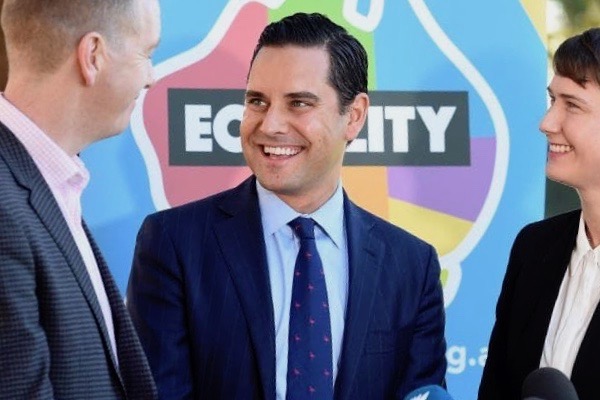
To maintain control over his contribution, Snow established AustraliansÌý4 Equality as a separate vehicle and hired Tiernan Brady from the IrishÌýYes constitutional referendum campaign as its executive director.
Brady had previously been an elected official for the centre-right IrishÌýpolitical party, Fianna Fáil, and was recruited for theÌýAustralian campaign by former Institute for Public Affairs director, TimÌýWilson.
Snow and Greenwich then undertook a process of amalgamating AME andÌýAustralians 4 Equality under the banner of the Equality Campaign.
Herein lies the cause of the split from AME by a number of its keyÌýactivists including its founder, Rodney Croome AM, Australia’s best knownÌýLGBTI activist, along with long-term advocate Shelley Argent OAM,Ìýwho were steadfastlyÌýopposed to a plebiscite, refused to toe the party line that it wasÌýinevitable, and insisted a free vote in Parliament was the only legitimateÌýway forward.
Argent told an ABC reporter: “Somebody said to me, it’s better toÌýwait than to be walking over bodies as you walk down the aisle, and I thinkÌýthat’s very true.â€�
Croome gave examples of young gay lives lost to suicide during theÌýdivisive decriminalisation debate in Tasmania in the 1990s that he feared wouldÌýbe even worse during a nationwide hate-mongeringÌýplebiscite.
Croome and Argent proved to be right. The double dissolution election ofÌýJuly 2016 delivered a Senate able to block the enabling legislation later thatÌýyear, to the enormous relief of the larger LGBTI community.
After a second rebuff by senators, and with Turnbull still determined toÌýplacate his party’s right wing, a plan to bypass the Senate emerged whichÌýinvolved a postal survey run by the ABS, instead of a compulsoryÌýattendanceÌýplebiscite conducted by the Australian Electoral Commission.
Croome helped establish a new organisation, just.equal, with a formerÌýAME deputy director, Ivan Hinton-Teoh, which worked with Argent, FelicityÌýMarlowe from Rainbow Families Victoria and the IndependentÌýMP for Denison,ÌýAndrew Wilkie, to successfully gain leave from the High Court to challenge theÌýpostal survey.
Unwilling to be seen as less than enthusiastic opponents, AME and theÌýEquality Campaign subsequently and hurriedly organised their own appeal,Ìýresulting in the unedifying spectacle of two separate High CourtÌýchallenges.
The fight for marriage equality actually began around 15 years earlier.
Pivotal was the legal challenge of two Australian couples in 2004 whoÌýhad married in Canada the previous year, Sarah and Jacqui Tomlins, and JasonÌýand Adrian Tuazon McCheyne, who sought to have theirÌýmarriages recognised byÌýhaving the Family Court agree to consider their case.
There was the success in Tasmania with the first state civilÌýpartnership scheme for same-sex couples, introduced simultaneously, almostÌýto the day, with a partnership register I introduced on South SydneyÌýCouncilÌýwhilst deputy mayor.
I recall the first public rally in 2004, jointly organised withÌýCommunity Action Against Homophobia, to protest the Howard Government’sÌýamendments to the Marriage Act which would unambiguously defineÌýmarriage asÌýbeing only between a man and a woman.
Many rallies would follow, all over the country, including the large andÌýnotable march from Sydney’s CBD to the ALP national conference at DarlingÌýHarbour in 2011.
A successful campaign to have the national census count same-sexÌýmarriages for the first time, initiated by a good old-fashioned sit-in at ABSÌýoffices followed by many months of meetings and correspondence,Ìýgave a goodÌýmorale boost. (I was, at first, amused when Greenwich used to claim thisÌýachievement as his own because he played no part in it at all.)
In 2006, the ACT established Australia’s first civil unions scheme, onlyÌýto have it overturned by the Federal Government.
In 2012 Tasmania pioneered state same-sex marriages, which in 2013 wereÌýpassed in the ACT but then overturned.
All these efforts, and many far too numerous to list here, kept theÌýissue constantly before the public, causing millions of conversations in homes,Ìýpubs and workplaces and pushed public support for marriageÌýequality from lessÌýthan 40 per cent in 2004 to 72 per cent in 2012.
Of note, the postal survey only returned 61.6 per cent in favour, with theÌýdisingenuous ‘religious freedom’ battle cry of opponents going largelyÌýunchallenged during the long campaign, leaving us an ongoing tussle withÌýtheÌýgovernment over this very question two years on.
Historical re-writes (propaganda), like the documentary Australia SaysÌýYes broadcast on SBS this time last year, all but entirely whitewashed peopleÌýlike Croome, Argent and Hinton-Teoh, among others, out ofÌýthe marriage equalityÌýnarrative, and furiously attempted to paint AME and the Equality Campaign as beingÌýalways strongly opposed to a national poll.
An accurate account of the long struggle, however, helps to expose theÌýpernicious influence of the major parties on the LGBTI community, inÌýparticular, the extraordinary steps taken by Labor to thwart theÌýcampaign inÌýthe beginning, and, at the end, the Liberal Party’s ability to use, for want ofÌýa better description, moneyed, gay, ‘moderate’ Liberals to achieve its goals atÌýthe direct expense of the LGBTI community.
An unbiased analysis helps to explain the complex reasons why the LaborÌýand Liberal parties, and many within them, were so incapable of resolving thisÌýissue, long after countries we might have thought lessÌýlikely had done so, suchÌýas Argentina, Spain or South Africa.
It helps reveal how moribund our politics has become and what may beÌýrequired to deal with other pressing and important issues we face.
It is of value to understand how ordinary human frailties, likeÌýexcessive personal ambition and ego, played their part in allowing that voteÌýand delivering, after all, the worst same-sex marriage legislation adoptedÌýbyÌýany country.
It is most disheartening to so often hear, loud and clear, through such re-writes,Ìýthe underlying message that change is ultimately made by the well-off andÌýwell-connected. It is most certainly untrue.
This change, and many other human rights victories before it, wasÌýachieved by innumerable courageous, ordinary people who took very real risksÌýand made enormous sacrifices without ever an expectation ofÌýrecognition.
I am aware of struggles elsewhere—in places like Bangladesh or Uganda,Ìýfor example, where the barriers to progress are unimaginably more difficult andÌýdangerous—being undertaken by incredibly braveÌýpeople despite a lack ofÌýmoney, support, or, in many cases, only rudimentary education. But with enormousÌýdignity.
I have found the rich, famous and ambitious, who appear only when it isÌýsafe to do so, do a terrible disservice in their race for the limelight toÌýthose who want to know how change really occurs, and to those whoÌýseekÌýinspiration from the knowledge that they are neither helpless nor incapable ofÌýeffecting change.
Historical accuracy is important.
Peter Furness, a former deputy mayor of South Sydney, was a founding member of Australian Marriage Equality and its National Convenor from 2005 to 2011.


Oh the irony of the most decorated of all campaigners and the most white too complaining they haven’t received enough recognition. More bizarre as someone else wrote above because they’ve written their own books.
Furness wasn’t involved in these groups so far as his bio says which begs the question how would he know what went on. Unless he’s just a mouthpiece for the names at the top of his article. The hostility of our own community against its own never shames to appall me. Sad piece when we could have celebrated what we achieved against all odds.
This is a great article abc it’s very brave of the Star Observer to publish it as Gay Inc. will be furious. It’s shameful the way people like Shelley Argent and Rodney Croome were airbrushed our at the end, after working for decades for marriage equality.
We have marriage equality, but Peter Furness wishes we had waited for better marriage equality laws.
History has proven Furness wrong.
The Libs will be in power till at least 2022, led by a man who refused to vote in parliament on marriage equality.
(and if historical accuracy is important, Furness should declare his varying political affiliations with the Australian Democrats/Australian Labor Party/Science Party, not just that he is a former deputy mayor of South Sydney)
Sorry but this seems very egotistical – all of Australia played their part – from the volunteers who door knocked to the mum and dad who did nothing but speak to family and friends and vote for the rights of their GLBTI child – nothing has been ‘whitewashed’ can’t you just read the books they ‘the ones that have been whitewashed’ all released?
Thanks for clearing some of the BS glitter from the yes-vote air.
Especially since that saga was just a warm-up for the next one.
Great article on the expected whitewashing of the efforts of so many activists but also you left out an important name in this subterfuge: Corey Irlam
Adults should not need “permission from the government” to get married. Seriously and honestly!
Let’s not forget the role of Anna Brown from Equality Campaign in helping create and promote the anti/LGBTI amendments to the the final SSM Bill that was passed. These amendments to the “Smith Bill� were not only unnecessary they were opposed by the LGBTI community which said they’d rather have no Bill than that Bill. But Anna praised the (completely unnecessary) compromise, which gave Australia the worst Marriage Equality legislation in the world and then opened the doors to the current push for “religious freedom� from the far right. All of the current excitement from religious conservatives about rolling back LGBTI rights comes directly from Anna negotiating the “religious exemptions� in 2017, and which Alex Greenwich and Tiernan Brady agreed to, without ever consulting our community. The irony that Anna Brown is now a self-appointed CEO and spokesperson for Equality Australia, seemingly with the task of opposing her legacy, is not lost on many of us.
Don’t forget her aide de camp, Corey Irlam
A long overdue corrective to the smug, self-satisfied, entitled “Sydney Gay Elite” narrative we’ve heard for so long.
Don’t forget Alex Greenwich abandoned the marriage equality campaign to further his personal political ambitions, and didn’t reappear until much much later in the game.